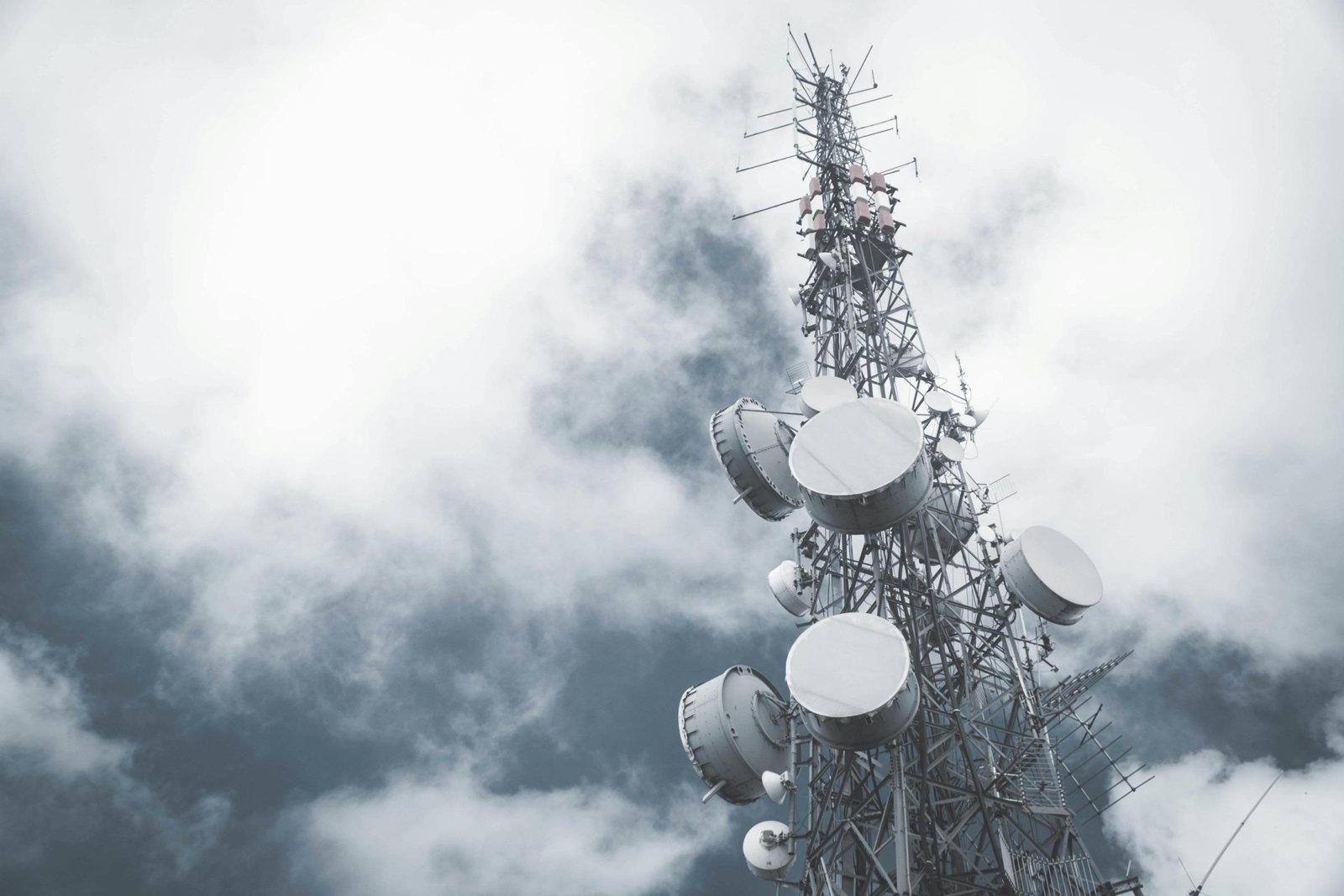

India Targets 1 Billion 5G Users by 2030: Key Takeaways from IMC 2026
New Delhi, October 12, 2026: India has set an ambitious target of connecting one billion 5G users by 2030, according to statements made by Union Communications Minister Jyotiraditya Scindia during the India Mobile Congress (IMC) 2026.
The tenth edition of the technology and telecommunications event was held at Yashobhoomi in New Delhi from October 7 to October 10. It brought together policymakers, telecom companies, technology developers, startups and international industry participants to discuss the future of digital connectivity.
The government has highlighted the expansion of 5G networks and the development of home-grown technologies as important parts of India’s digital growth strategy.
What Is India’s 5G Target?
According to the Ministry of Communications, the government aims to connect one billion 5G users by 2030.
The target reflects the ambition to expand access to advanced mobile connectivity as demand for digital services grows. However, the announcement is a future goal rather than a guarantee that every citizen will have access to 5G by that date.
Actual adoption will depend on network availability, the price of compatible devices, affordable data plans and whether reliable connectivity reaches rural and remote areas.
What Was India Mobile Congress 2026 About?
India Mobile Congress is a platform for discussions and demonstrations involving telecommunications, digital infrastructure and emerging technologies.
The 2026 edition focused on the theme “Scale Without Boundaries”. According to official government announcements, the event covered areas including smart mobility, industrial robotics, transport technology and digital connectivity.
The programme also brought attention to the role of startups, researchers and Indian technology companies in developing products and services for domestic and international markets.
How Could 5G Benefit Consumers?
5G networks can offer higher data speeds and lower latency than earlier mobile technologies under suitable network conditions. These capabilities can support applications such as high-quality video, cloud-based services, connected devices and industrial automation.
For consumers, the actual experience depends on factors such as network coverage, congestion, handset capability and the telecom operator’s service quality.
A 5G connection does not automatically guarantee the same speed everywhere, and older devices may not support the technology.
What Challenges Remain?
Expanding 5G access requires investment in radio equipment, fibre backhaul, sites, power and ongoing network maintenance. Operators must also balance the cost of deployment with customer demand and revenue.
Affordable smartphones and data plans remain important for wider adoption. Rural areas may need additional infrastructure investment to achieve dependable coverage.
Cybersecurity, consumer privacy and protection against digital fraud are also important as more services depend on connected devices and mobile networks.
What About 6G and Indian Technology Development?
India Mobile Congress also highlighted the country’s longer-term ambitions in advanced telecommunications, including work related to 6G.
Research and standardisation for future mobile networks will take time. The commercial availability and capabilities of future networks will depend on international standards, technological progress and investment.
The government’s broader objective is to strengthen India’s role not only as a large market for digital services but also as a developer of telecommunications technologies.
What Should Mobile Users Know?
Consumers considering a 5G smartphone should check whether their preferred telecom operator provides 5G coverage in their area. They should also confirm that their device supports the required network bands and that their plan includes the relevant service.
Users should not purchase a new phone solely because of national adoption targets. The right choice depends on their location, budget, usage and the features they need.
Official Sources
- Press Information Bureau: https://www.pib.gov.in/PressReleseDetailm.aspx?PRID=2320798&lang=1®=3
- Department of Telecommunications: https://dot.gov.in/
Reporting note: This article summarises official announcements available as of October 12, 2026. The one-billion-user figure is a government target for 2030, not a current user count or a guaranteed outcome.

 By
By