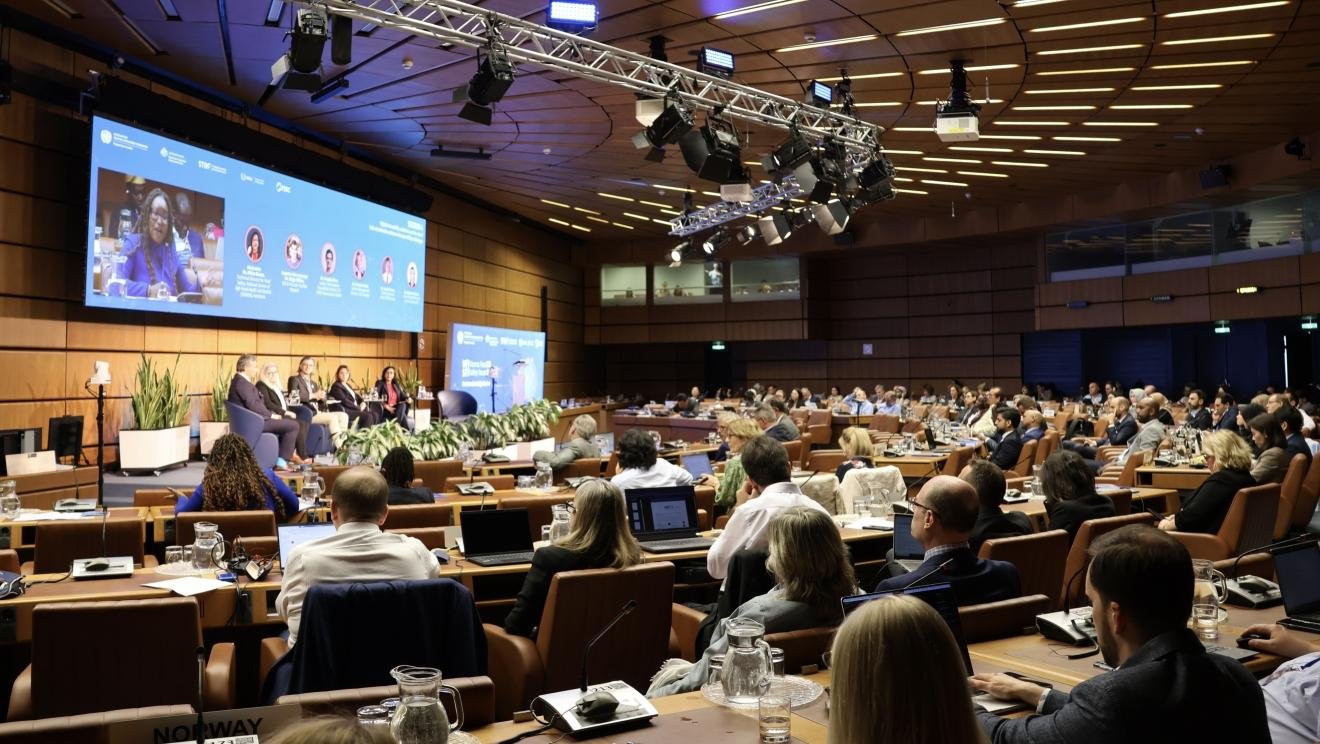

Kautilya Economic Conclave 2026 Concludes: Key Issues Shaping India’s Economy
New Delhi, October 12, 2026: The Fifth Kautilya Economic Conclave concluded in New Delhi after three days of discussions on global economic uncertainty, trade, technology and India’s economic priorities.
Organised by the Institute of Economic Growth in partnership with the Ministry of Finance, the conclave was held from October 3 to 5 under the theme “Resilience in an Age of Flux.”
According to the Ministry of Finance’s official release, the event brought together more than 200 policymakers, economists, academics, financial experts and international thought leaders. More than 80 international participants from around 30 countries also took part.
What Was the Kautilya Economic Conclave About?
The conclave provided a platform for experts and policymakers to discuss economic and policy challenges in a changing global environment.
The theme focused on resilience at a time when economies face uncertainty related to international trade, geopolitical developments, technological change and shifts in global economic relationships.
The discussions were intended to examine how governments and institutions can respond to these challenges while supporting stable and sustainable economic growth.
Why Is Economic Resilience Important?
Economic resilience refers to the ability of an economy to withstand shocks, adjust to changing conditions and continue functioning during periods of uncertainty.
For India, this can involve strengthening domestic production, maintaining stable financial systems, improving infrastructure and developing a skilled workforce. International trade and investment relationships also influence how the country responds to changes in global demand and supply chains.
No single policy can eliminate economic risk. The results depend on the quality of implementation, business investment, productivity and conditions in the wider world.
The Role of Technology and Trade
Technology and international trade were among the broader themes of the conclave. Digital technologies can improve productivity and help businesses reach new markets, while changes in trade policy can affect manufacturing, exports and access to essential goods.
Policymakers must also consider the effects of technological change on workers, small businesses and competition. Skills development and effective institutions can help economies adapt to new opportunities and risks.
What Could the Discussions Mean for India?
The conclave offered a forum for exchanging ideas on India’s economic priorities. Such discussions can contribute to policy debate, but the conclusions of an economic conference should not be treated as government policy unless specific decisions are formally announced.
Businesses, investors and citizens should distinguish between ideas discussed by experts and measures actually adopted by the government.
The practical impact of future economic measures will depend on the policies announced, the resources allocated and how effectively they are implemented.
What Happens Next?
The conclave has concluded, but the economic issues discussed remain relevant to future policy decisions. Readers interested in the outcomes should look for official summaries, speeches and policy announcements from the Ministry of Finance and the Institute of Economic Growth.
Any specific recommendation or new government measure should be reported separately once it is confirmed through an official document or reliable reporting.
Official Source
Ministry of Finance, Government of India: https://www.pib.gov.in/PressReleaseIframePage.aspx?PRID=2321828&lang=2®=48
The event details in this article are based on the Ministry of Finance’s official release published on October 10, 2026.


 By
By