
Supreme Court Issues Directions on Delhi Protests: What People Need to Know
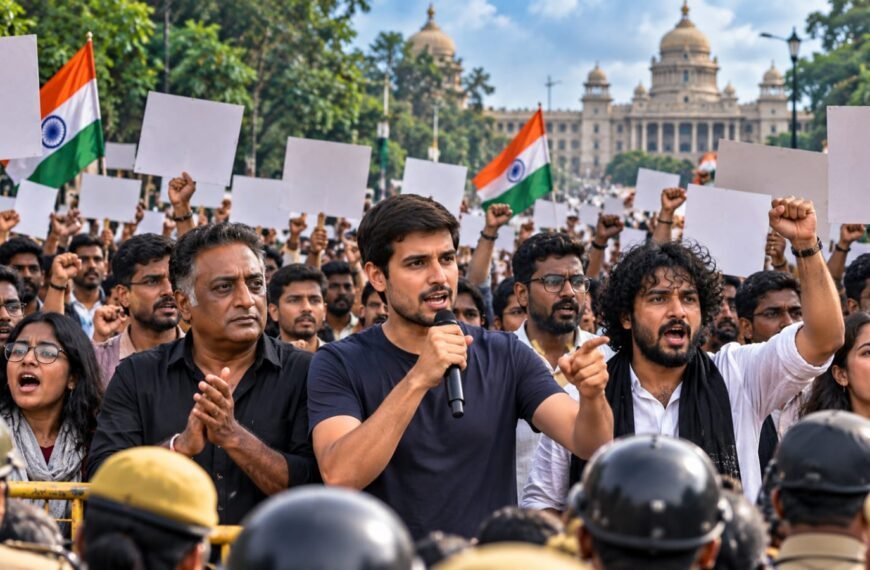
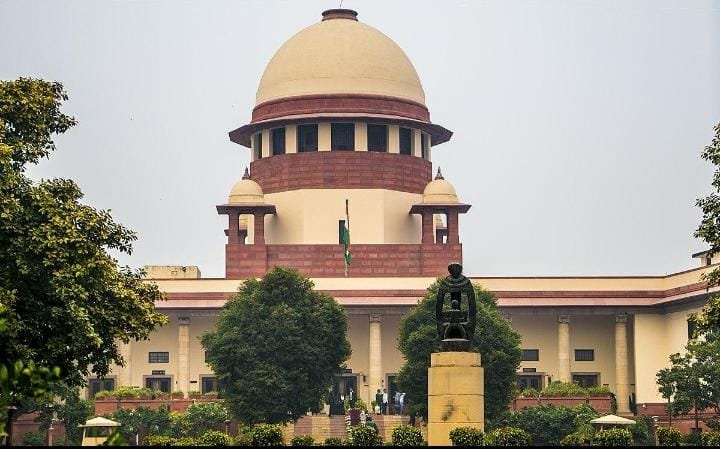
New Delhi, October 12, 2026: The Supreme Court of India issued directions on October 11 concerning restrictions and public movement in Delhi amid protests in the national capital. The directions addressed the treatment of peaceful protesters, the functioning of public transport and internet services, and the need to review barricading arrangements.
According to reports published by News On AIR and other news organisations, the Court emphasised that peaceful gatherings should not lead to unlawful detention and that people’s movement should not be unnecessarily obstructed. The directions remain subject to applicable laws, traffic regulations and legitimate law-and-order requirements.
What Did the Supreme Court Say?
The Court’s directions focused on maintaining public access and ensuring that restrictions are applied in accordance with the law.
Among the issues addressed were the following:
- Peaceful gatherings: Authorities were directed to ensure that people participating peacefully are not illegally detained.
- Public movement: The Court emphasised that the movement of people should remain unhindered, subject to traffic rules and applicable restrictions.
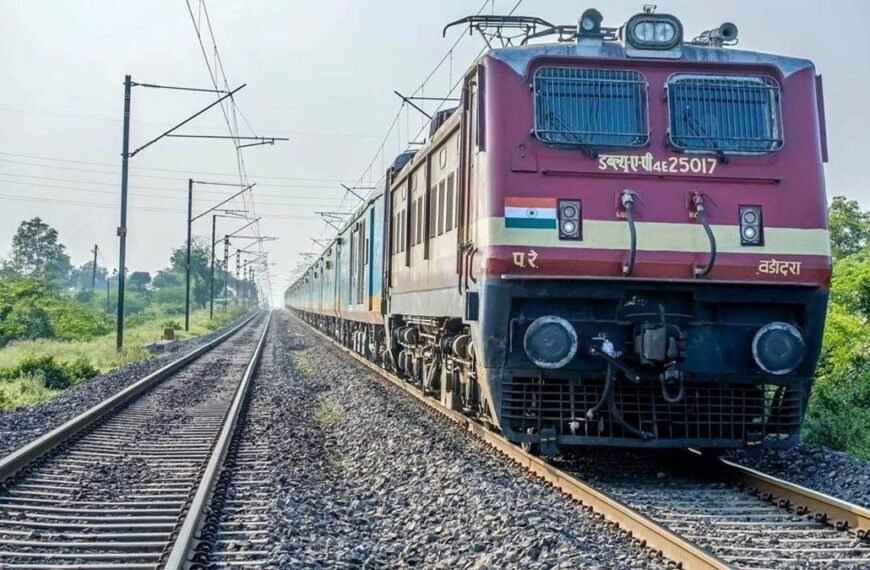
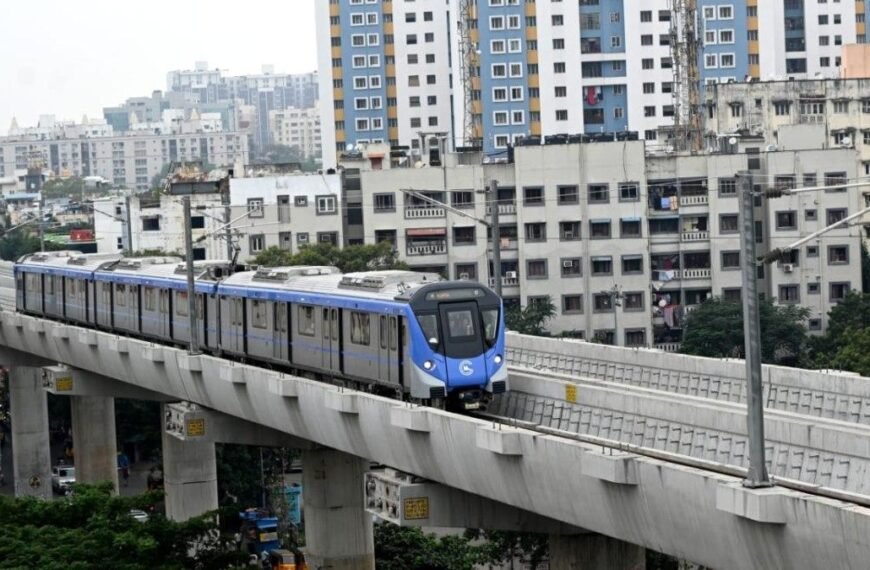
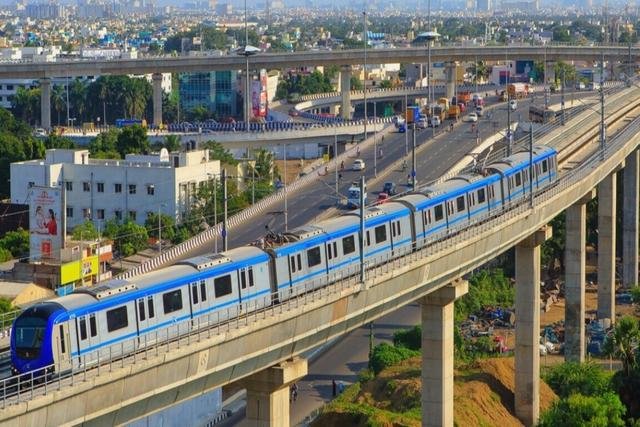
- Metro and train services: The Court called for normal functioning of services in line with the prevailing law-and-order situation.
- Internet services: The directions addressed the need to avoid unnecessary disruption of internet services, subject to the law.
- Barricading arrangements: Authorities were asked to review arrangements affecting movement in the capital.
These directions came amid concerns about restrictions imposed around protests and the operation of public services in Delhi.
Why Did the Matter Reach the Supreme Court?
The hearing followed concerns over restrictions connected with planned protests in the capital. A plea sought action over alleged non-compliance with earlier directions concerning public transport and movement.
During the proceedings, the Court heard submissions from the parties and addressed the need to balance the right to peaceful assembly with public order and the smooth functioning of essential services.
The proceedings also involved questions about the circumstances in which restrictions may be imposed. The Court’s directions should be understood in the context of the specific matter before it rather than as a blanket removal of every restriction.
What Does This Mean for Delhi Residents?
For residents, commuters and people travelling through Delhi, the directions highlight the importance of maintaining access to public transport and allowing lawful movement.
However, commuters should not assume that every route, station or area will necessarily be free of restrictions at all times. Local traffic arrangements and security measures may still apply depending on the situation.
People planning to travel should check official Delhi Metro, traffic police and other relevant advisories before leaving. Protest participants should also follow applicable laws and directions issued by competent authorities.
Does the Order Mean All Restrictions Have Been Removed?
Not necessarily. The Court’s directions are subject to applicable law and law-and-order considerations. The practical effect of the directions depends on how the authorities implement them and on any further proceedings or orders.
Readers should distinguish between the Court’s reported directions and claims circulating on social media that may overstate their effect. For the most accurate interpretation, the Court’s official order and subsequent proceedings should be consulted when available.
What Happens Next?
The matter may involve further submissions and consideration by the Court. Any additional directions, clarification or implementation updates should be checked against reliable reporting and official court records.
For now, the key point is that the Supreme Court has stressed lawful treatment of peaceful protesters and the need to avoid unnecessary disruption to public movement and essential services.

 By
By