
Starlink India Launch 2026: Infrastructure Ready, Final Government Approvals Still Pending
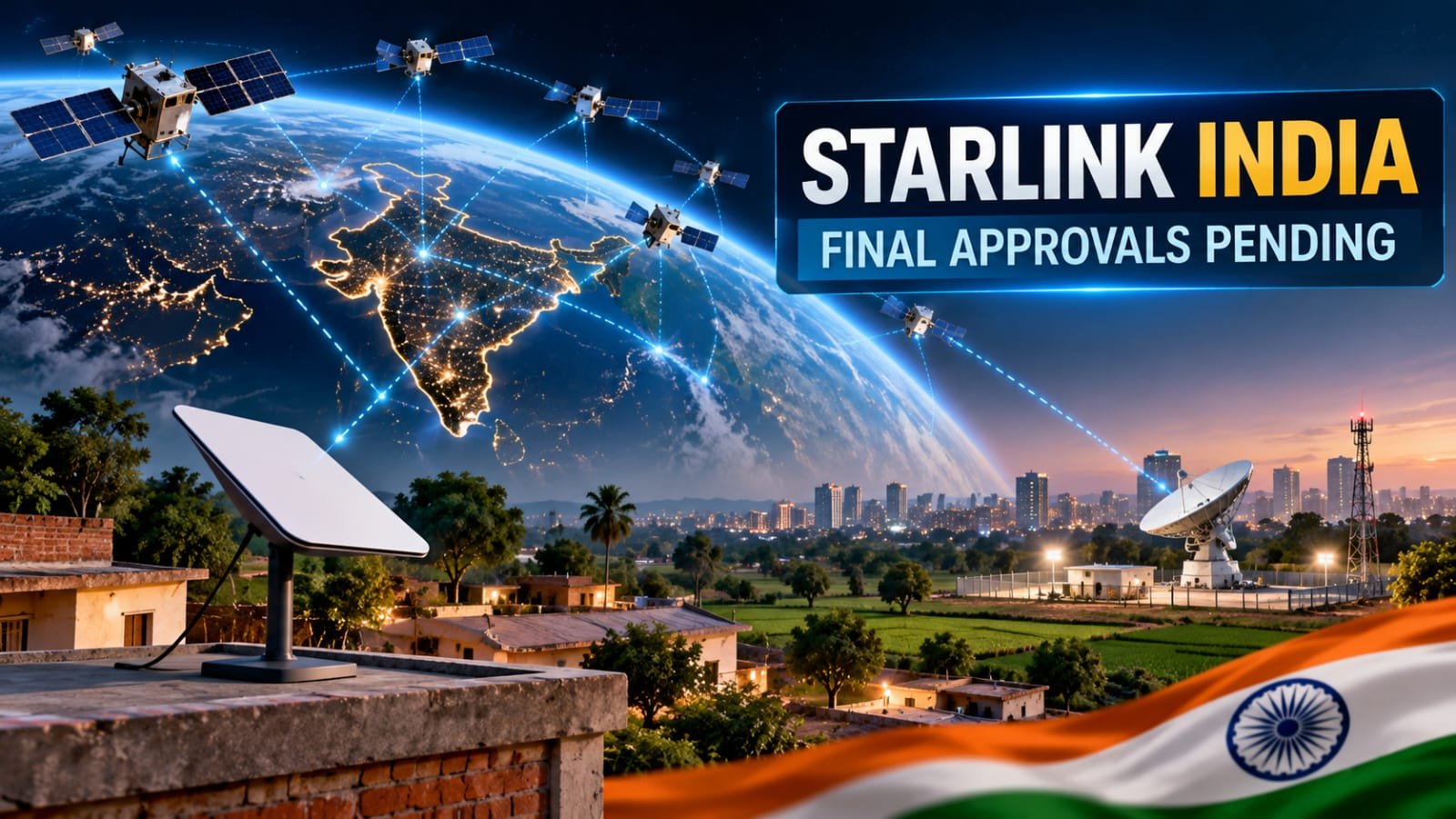
Starlink, the satellite internet company operated by Elon Musk’s SpaceX, is moving closer to entering India’s broadband market. The company says it has completed much of the infrastructure and operational preparation needed to provide satellite-based internet services, but final government clearances remain outstanding.
The development has renewed attention on satellite internet in India, particularly its potential to connect remote villages, rural communities and areas where conventional broadband infrastructure is limited.
Starlink Says Its India Infrastructure Is Ready
According to an October 2026 report by The Financial Express, Starlink has established around 20 ground gateway stations and prepared its operations to meet Indian security and data-localisation requirements.
The company has already received key regulatory permissions, including a Global Mobile Personal Communication by Satellite (GMPCS) licence and authorisation from India’s space regulator, IN-SPACe.
However, these approvals do not by themselves permit a commercial launch. Spectrum allocation and outstanding security clearances remain important steps before Starlink can begin offering services to Indian customers.
Government Responds to Elon Musk’s Claims
The approval process has also become the subject of a public disagreement. Elon Musk criticised delays in Starlink’s Indian launch and suggested that powerful business interests were obstructing the company’s entry.
India’s Telecom Minister, Jyotiraditya Scindia, rejected claims that the government was protecting a monopoly. According to Reuters, the government said satellite internet applicants were at a broadly similar regulatory stage and still needed to meet applicable security and spectrum requirements.
Musk’s allegations about interference have not been independently established. The government has maintained that the regulatory process applies to competing satellite-service providers.
How Could Starlink Help Indian Users?
Satellite broadband connects users through satellites and ground infrastructure rather than relying entirely on fibre-optic cables or mobile towers. This could make it useful in locations where conventional connectivity is difficult or expensive to provide.
Potential applications include:
- Rural connectivity: Improving access in remote villages and isolated communities.
- Education: Supporting online learning where reliable broadband is limited.
- Businesses: Providing another connectivity option for locations with weak terrestrial networks.
- Emergency communications: Offering a possible alternative when conventional infrastructure is disrupted, subject to equipment availability and service conditions.
These are potential benefits, not a guarantee that every location will receive coverage or uninterrupted service.
Will Starlink Be Available in India Soon?
As of October 11, 2026, the reports cited here do not establish a confirmed nationwide commercial launch date. The remaining approvals mean customers should not assume that the service is already available for ordinary subscriptions across India.
Pricing, equipment costs, coverage, data policies and installation arrangements should be confirmed through official Starlink announcements once commercial service is authorised.
What Does This Mean for India’s Internet Market?
Starlink’s planned entry could increase competition in the satellite broadband segment alongside other licensed operators. However, satellite internet and conventional mobile broadband serve different needs, and their relative costs and performance will matter to consumers.
For rural households, schools and businesses, the most important questions will be affordability, reliable coverage and whether the service performs well in their particular location.
Conclusion
Starlink has made significant progress toward entering India’s satellite internet market, but infrastructure readiness is not the same as final permission to launch. Spectrum allocation and security clearances remain key milestones.
Consumers should watch for formal announcements from Starlink and the Department of Telecommunications before making purchasing decisions or relying on an expected launch date.


 By
By