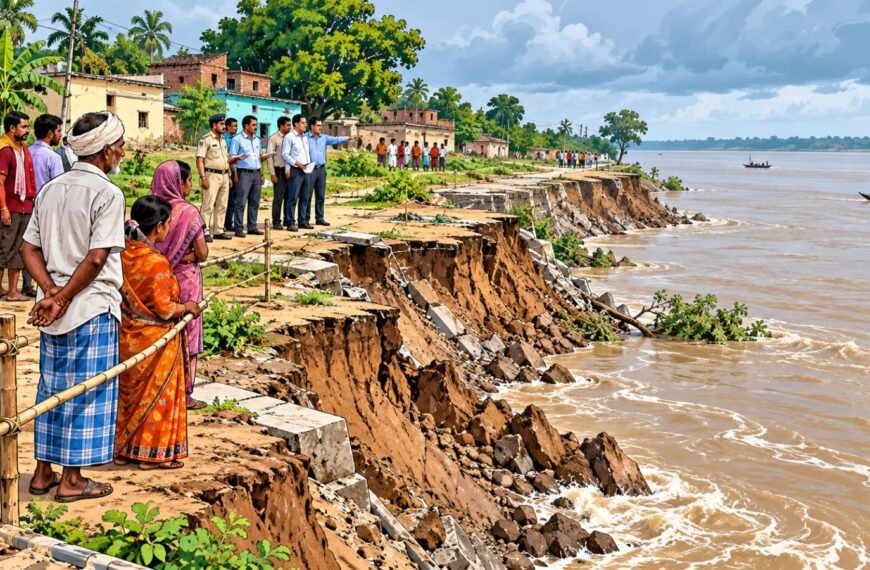
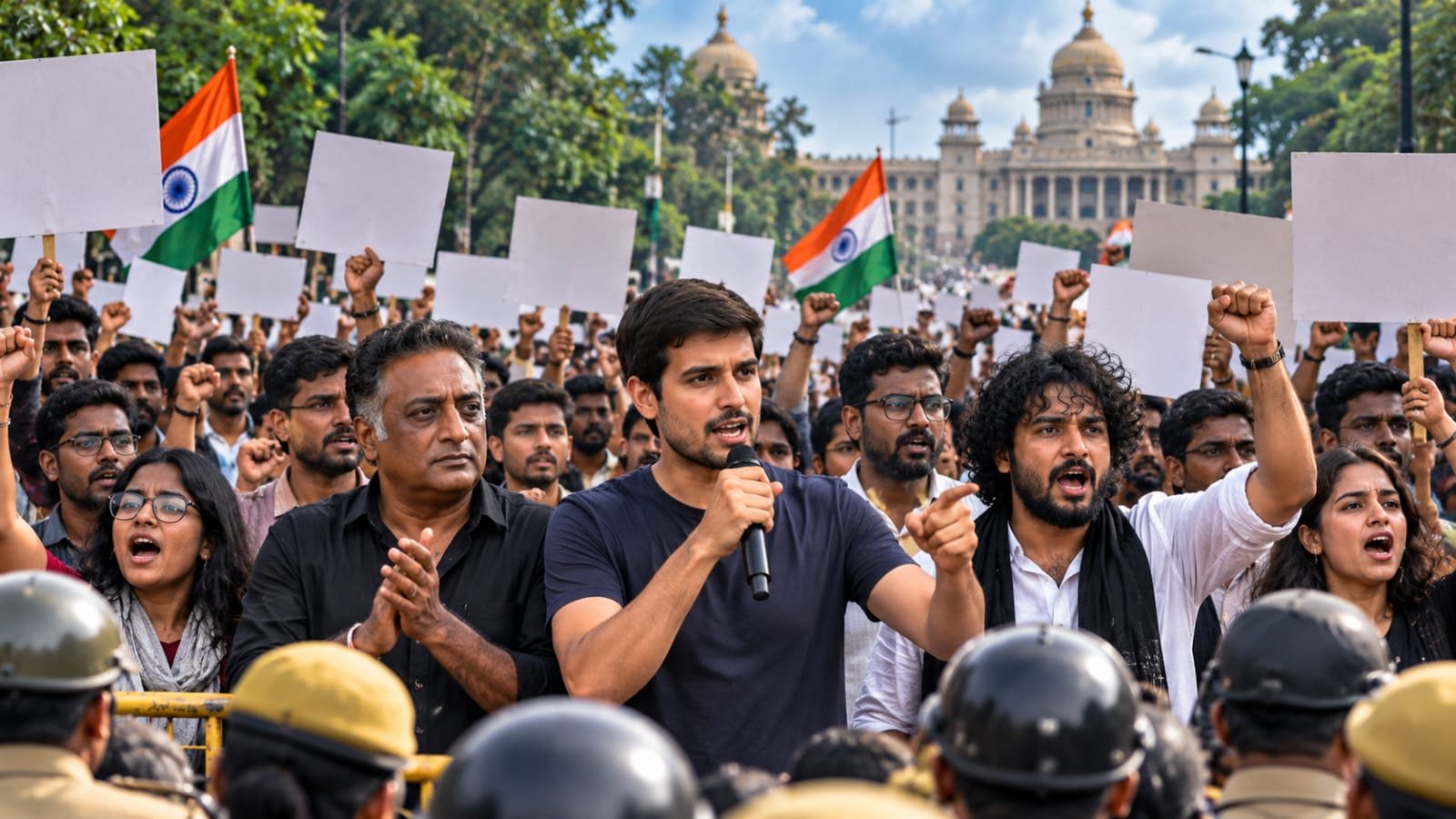

Image caption: AI-generated illustrative image. Not an actual photograph of the protest.
Alt text: AI-generated illustration of protesters gathered outside a government building in India.
Delhi Protests: Why Are Young Protesters Demanding Election Chief Gyanesh Kumar’s Resignation?
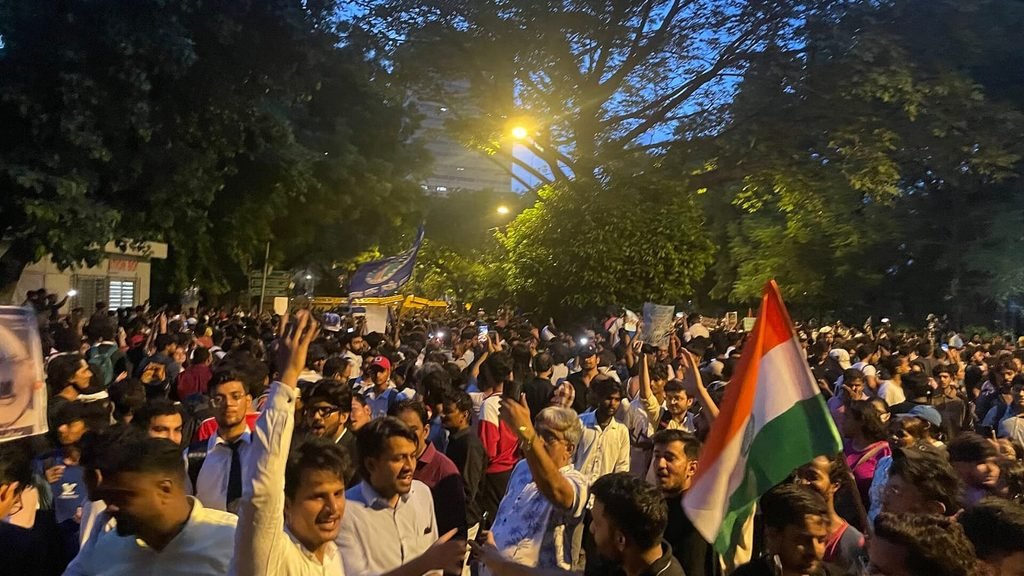
Photo: Alnitak-Alnilam-Mintaka / Wikimedia Commons / CC BY-SA 4.0. Used under the Creative Commons Attribution-ShareAlike 4.0 licence. https://creativecommons.org/licenses/by-sa/4.0/
New Delhi, October 11, 2026: Delhi witnessed a major security operation on Saturday, October 10, as authorities moved to prevent a planned youth-led protest demanding the resignation of Chief Election Commissioner Gyanesh Kumar. The demonstration centred on allegations of irregularities in voter-list revisions, raising fresh questions about electoral transparency and the right to peaceful protest.
According to Reuters, more than 2,000 protesters were detained in Delhi. Security forces were deployed across parts of the capital, while restrictions affected movement around the planned protest area.
The developments have put the debate over voter registration, public accountability and freedom of assembly back in the national spotlight.
What Happened in Delhi on October 10?
The protest was organised by the Cockroach Janta Party (CJP), a youth-led movement that has gained attention through online campaigning and demonstrations.
Organisers planned to gather at Jantar Mantar, a designated protest location in central Delhi. However, authorities secured the area before the rally could proceed as planned.
Police and paramilitary personnel were deployed at several locations. Reuters also reported restrictions on mobile internet services in parts of central Delhi and disruption to transport around the protest area.
Several movement leaders were detained, including its founder, Abhijeet Dipke, according to news reports.
The scale of the security operation drew attention beyond Delhi, with opposition figures criticising the handling of the demonstrations.
Why Are Protesters Demanding the Election Chief’s Resignation?
At the centre of the controversy is the Special Intensive Revision (SIR) of electoral rolls, a process used to review and update voter lists.
Opposition parties and activists have raised concerns about the removal of names from voter records. They argue that any errors in the process could prevent eligible citizens from exercising their right to vote.
Recent reporting has also highlighted concerns about the scale of the revisions and disagreements over how the exercise was handled.
The protesters are demanding greater accountability from the Election Commission and calling for Gyanesh Kumar to resign.
It is important to note that allegations of deliberate voter-list manipulation remain disputed. The Election Commission and the Bharatiya Janata Party (BJP) have denied wrongdoing, while the commission has said eligible voters whose names are missing can seek re-enrolment.
What Is the Special Intensive Revision of Electoral Rolls?
The Special Intensive Revision is an exercise to review voter lists and check the accuracy of electoral records.
The broader purpose of revising electoral rolls is to maintain accurate records and identify entries that may be outdated, duplicated or otherwise ineligible.
However, the process becomes particularly sensitive when large numbers of names are removed or when citizens believe they have been incorrectly excluded.
For an eligible voter, a missing name can create a serious problem: even if they possess other identification documents, they may not be able to vote unless their electoral registration is valid.
This is why transparent procedures, accessible correction mechanisms and clear communication are important during voter-list revisions.
What Do the Authorities and Opposition Say?
The controversy has developed into a political dispute.
Opposition leaders and protest organisers have questioned the revision process and the decision to prevent the planned demonstration. They argue that concerns about voter registration deserve a transparent response.
The BJP has rejected allegations of wrongdoing and accused political opponents of spreading misleading claims.
The Election Commission has also denied allegations of misconduct. The dispute over voter-list revisions remains a matter of public and political debate, and allegations should not be treated as established facts without supporting evidence.
What Does This Mean for Ordinary Voters?
For citizens, the most important issue is whether their names appear correctly on the electoral roll.
Regardless of political affiliation, eligible voters should check their registration details and follow the Election Commission’s official procedures if their information is missing or incorrect.
Citizens should also be cautious about viral posts claiming that particular individuals or communities have been deliberately removed from voter lists. Such claims need reliable evidence and should not be accepted solely because they are widely shared online.
The wider question is how electoral authorities can ensure that voter-list verification is accurate, transparent and accessible to every eligible citizen.
The Bigger Question: Electoral Accountability and the Right to Protest
The events in Delhi highlight two issues that are central to a democratic society: confidence in the electoral process and the ability of citizens to express their concerns peacefully.
Authorities have a responsibility to maintain public order, while citizens have a legitimate interest in understanding how electoral decisions are made and how mistakes can be corrected.
A lasting resolution will depend on transparent information, credible evidence and clear answers to questions about voter registration.
As the debate continues, the focus should remain on verified facts, the rights of eligible voters and the importance of public trust in democratic institutions.
Infolines.in will continue to follow developments and report verified updates as more information becomes available.


 By
By